

A Message of Light and Hope: Happy Diwali!
A Message of Light and Hope: Happy Diwali!
On behalf of everyone at , we extend our warmest wishes to all those celebrating Diwali, the magnificent Festival of Lights.
As a university that values diversity, global perspectives, and the enlightenment that comes from knowledge, we recognize and celebrate the profound significance of this festival for many members of our community. Diwali’s core messages of good triumphing over evil, light over darkness, and knowledge over ignorance resonate deeply with our academic mission.
But what is the meaning behind the dazzling lights and joyful celebrations? The stories and significance are rich and varied, reflecting the beautiful diversity within the traditions themselves.
Why Do We Celebrate? The Deeper Meaning
At its heart, Diwali is a five-day festival that symbolizes the victory of light over darkness. The word "Diwali" (or Deepavali) comes from the Sanskrit word deepavali, meaning "rows of lighted lamps." The lighting of diyas (small clay lamps) is a powerful act—representing the inner light that protects us from spiritual darkness and illuminates the path to knowledge and self-awareness.
It is a time for renewal, forgiveness, new beginnings, and gratitude. Families clean and decorate their homes, wear new clothes, share sweets and gifts, and offer prayers (puja) for prosperity and well-being in the year ahead.
Celebrations Across Communities
While often associated with Hinduism, Diwali is also a deeply significant occasion for other communities, including Jains and Sikhs. At Aura University, we are proud to have a vibrant mix of students and staff from these rich cultural backgrounds.
For our Hindu community, Diwali commemorates several events. Most commonly, it celebrates the return of Lord Rama, his wife Sita, and brother Lakshmana to their kingdom of Ayodhya after 14 years of exile and a victory over the demon king Ravana. The people of Ayodhya lit rows of lamps to guide them home and celebrate the victory of righteousness (dharma). For many, it is also a day to worship Lakshmi, the goddess of wealth and prosperity, inviting abundance into their homes and lives.
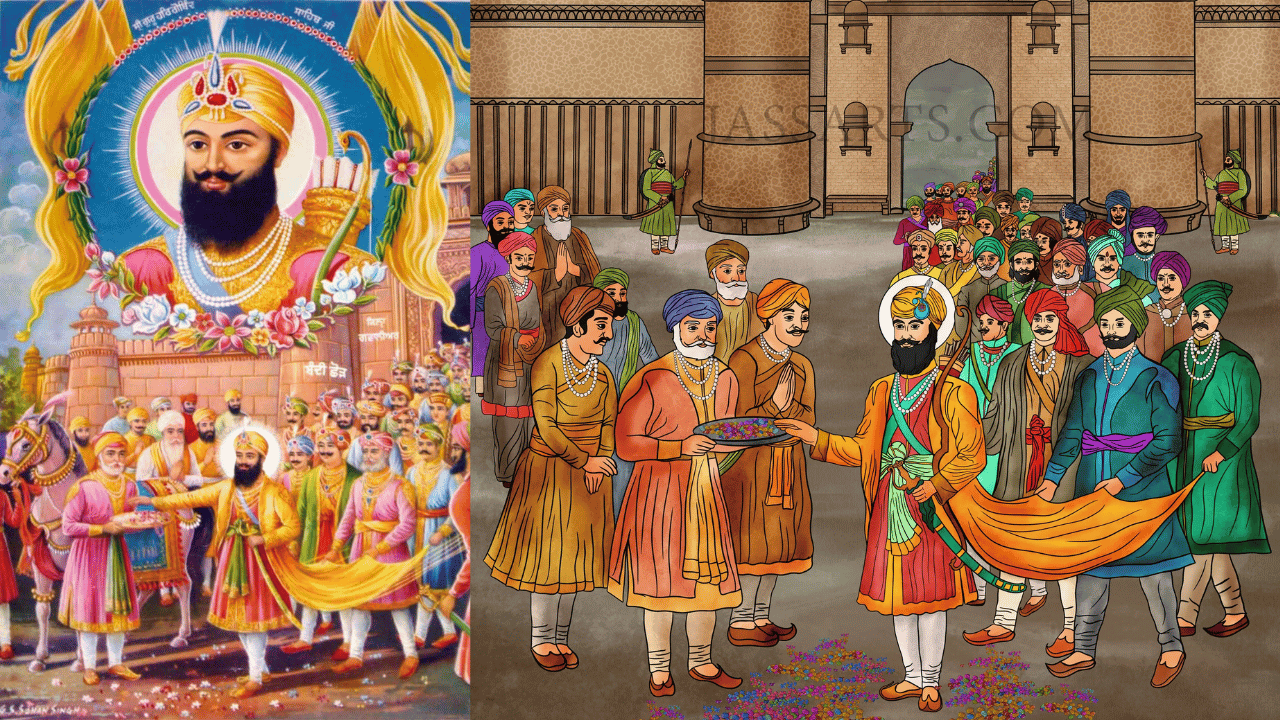
For our Sikh community, Diwali holds a distinct and powerful historical significance. For Sikhs, this day is known as Bandi Chhor Divas, which means "Prisoner Release Day." It commemorates the day in 1619 when the sixth Sikh Guru, Guru Hargobind Sahib Ji, was released from imprisonment by the Mughal emperor Jahangir. Not only did he secure his own freedom, but he also insisted on the release of 52 Hindu princes who were unjustly imprisoned with him.
This event is a cornerstone of the Sikh faith, symbolizing freedom, justice, and the right of all people to practice their religion without fear. The Golden Temple in Amritsar is lit magnificently every year on this day, and Sikhs celebrate with prayers, gatherings, and the same spirit of light and freedom.
A Universal Message for Our Aura University Family
Whether the story is one of a royal return, an invocation for prosperity, or a courageous stand for justice, the universal themes of Diwali are what bind us together:
* The pursuit of knowledge over ignorance.
* The courage to stand for what is right.
* The compassion to care for our community.
* The hope for a brighter future for all.
This Diwali, we encourage everyone in our university community to reflect on these powerful themes. Take a moment to learn about a culture different from your own, share a sweet treat with a friend, or simply take the festival’s message to heart: be the light that dispels darkness.
To our Hindu and Sikh students, faculty, and staff: Thank you for sharing your culture and traditions with us. You enrich the fabric of our university.
We wish you and your families a joyous, safe, and luminous celebration.
Happy Diwali and Bandi Chhor Divas!
Shubh Deepavali!
— The Community